

✅ Businesses & Startups – Affordable AI integration in customer service, content creation, and automation.
✅ Developers & AI Applications – Low-cost AI solutions for chatbots, summarization, and analysis.
✅ Students & Researchers – A budget-friendly AI assistant for studying and answering questions.
✅ Casual Users – Everyday AI-powered conversations, writing, and productivity tasks.
How to Use GPT-4o Mini?
1️⃣ Access GPT-4o Mini via API --> Available through the OpenAI API for developers and businesses. Costs less than GPT-4o but delivers solid AI capabilities.
2️⃣ Ideal for Lightweight AI Tasks --> Best for simple queries, text summarization, and customer support. Faster response times than larger AI models.
3️⃣ Cost-Efficient AI Model --> Businesses can use GPT-4o Mini to power AI chatbots, virtual assistants, and automation tools at a lower cost.
- Lower Cost, High Efficiency: Great balance between performance and affordability.
- Optimized for Speed: Faster responses, making it ideal for real-time applications.
- Scalable AI Model: Perfect for businesses scaling AI-powered services.
- Budget-Friendly AI – Lower pricing compared to full GPT-4o.
- Optimized for Speed – Quick responses for real-time applications.
- Good for Businesses – AI-powered chatbots, summarization, and content creation.
- Not as Powerful as GPT-4o – Works better for lighter tasks.
- Less Context Retention – May struggle with very complex or long-form reasoning.
Free
$ 0.00
Standard voice mode
Real-time data from the web with search
Limited access to GPT-4o and o4-mini
Limited access to file uploads, advanced data analysis, and image generation
Use custom GPTs
Plus
$ 20.00
Extended limits on messaging, file uploads, advanced data analysis, and image generation
Standard and advanced voice mode
Access to deep research, multiple reasoning models (o4-mini, o4-mini-high, and o3), and a research preview of GPT-4.5
Create and use tasks, projects, and custom GPTs
Limited access to Sora video generation
Opportunities to test new features
Pro
$ 200.00
Unlimited access to all reasoning models and GPT-4o
Unlimited access to advanced voice
Extended access to deep research, which conducts multi-step online research for complex tasks
Access to research previews of GPT-4.5 and Operator
Access to o1 pro mode, which uses more compute for the best answers to the hardest questions
Extended access to Sora video generation
Access to a research preview of Codex agent
Proud of the love you're getting? Show off your AI Toolbook reviews—then invite more fans to share the love and build your credibility.
Add an AI Toolbook badge to your site—an easy way to drive followers, showcase updates, and collect reviews. It's like a mini 24/7 billboard for your AI.
Reviews
Rating Distribution
Average score
Popular Mention
FAQs
Similar AI Tools


OpenAI o1
o1 is a fast, highly capable language model developed by OpenAI, optimized for performance, cost-efficiency, and general-purpose use. It represents the entry point into OpenAI’s GPT-4 class of models, delivering high-quality natural language generation, comprehension, and interaction at lower latency and cost than GPT-4 Turbo. Despite being a newer and smaller variant, o1 is robust enough for most AI applications—from content generation to customer support—making it a reliable choice for developers looking to build intelligent and responsive systems.
OpenAI o1
o1 is a fast, highly capable language model developed by OpenAI, optimized for performance, cost-efficiency, and general-purpose use. It represents the entry point into OpenAI’s GPT-4 class of models, delivering high-quality natural language generation, comprehension, and interaction at lower latency and cost than GPT-4 Turbo. Despite being a newer and smaller variant, o1 is robust enough for most AI applications—from content generation to customer support—making it a reliable choice for developers looking to build intelligent and responsive systems.
OpenAI o1
o1 is a fast, highly capable language model developed by OpenAI, optimized for performance, cost-efficiency, and general-purpose use. It represents the entry point into OpenAI’s GPT-4 class of models, delivering high-quality natural language generation, comprehension, and interaction at lower latency and cost than GPT-4 Turbo. Despite being a newer and smaller variant, o1 is robust enough for most AI applications—from content generation to customer support—making it a reliable choice for developers looking to build intelligent and responsive systems.

Deep Research is an AI-powered agent that autonomously browses the web, interprets and analyzes text, images, and PDFs, and generates comprehensive, cited reports on user-specified topics. It leverages OpenAI's advanced o3 model to conduct multi-step research tasks, delivering results within 5 to 30 minutes.
Deep Research is an AI-powered agent that autonomously browses the web, interprets and analyzes text, images, and PDFs, and generates comprehensive, cited reports on user-specified topics. It leverages OpenAI's advanced o3 model to conduct multi-step research tasks, delivering results within 5 to 30 minutes.
Deep Research is an AI-powered agent that autonomously browses the web, interprets and analyzes text, images, and PDFs, and generates comprehensive, cited reports on user-specified topics. It leverages OpenAI's advanced o3 model to conduct multi-step research tasks, delivering results within 5 to 30 minutes.


OpenAI o3
o3 is OpenAI's next-generation language model, representing a significant leap in performance, reasoning ability, and efficiency. Positioned between GPT-4 and GPT-4o in terms of evolution, o3 is engineered for advanced language understanding, content generation, multilingual communication, and code-related tasks—while maintaining faster speeds and lower latency than earlier models. As part of OpenAI’s GPT-4 Turbo family, o3 delivers high-quality outputs at scale, supporting both chat and completion endpoints. It’s currently used in various commercial and developer-facing tools for streamlined and intelligent interactions.
OpenAI o3
o3 is OpenAI's next-generation language model, representing a significant leap in performance, reasoning ability, and efficiency. Positioned between GPT-4 and GPT-4o in terms of evolution, o3 is engineered for advanced language understanding, content generation, multilingual communication, and code-related tasks—while maintaining faster speeds and lower latency than earlier models. As part of OpenAI’s GPT-4 Turbo family, o3 delivers high-quality outputs at scale, supporting both chat and completion endpoints. It’s currently used in various commercial and developer-facing tools for streamlined and intelligent interactions.
OpenAI o3
o3 is OpenAI's next-generation language model, representing a significant leap in performance, reasoning ability, and efficiency. Positioned between GPT-4 and GPT-4o in terms of evolution, o3 is engineered for advanced language understanding, content generation, multilingual communication, and code-related tasks—while maintaining faster speeds and lower latency than earlier models. As part of OpenAI’s GPT-4 Turbo family, o3 delivers high-quality outputs at scale, supporting both chat and completion endpoints. It’s currently used in various commercial and developer-facing tools for streamlined and intelligent interactions.
Grok 3 Mini
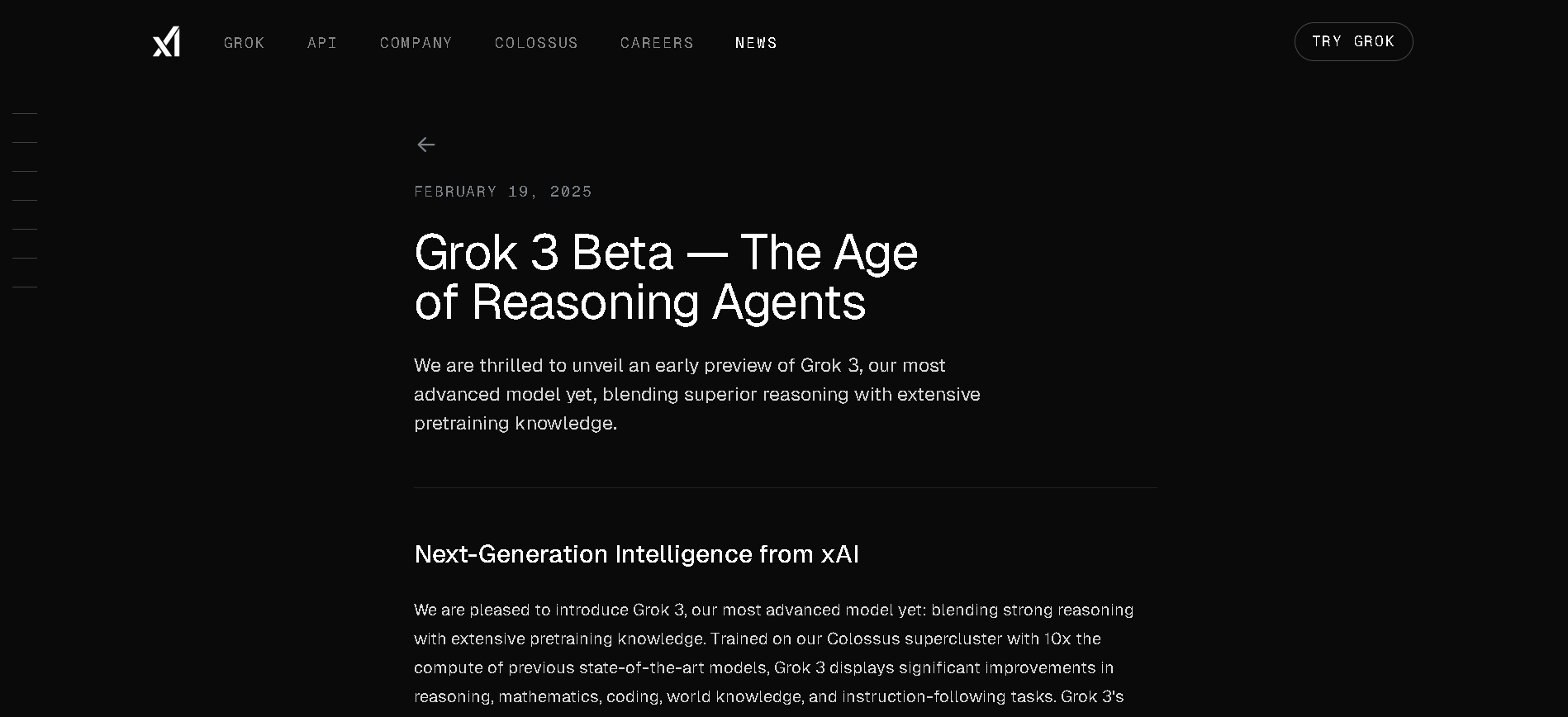
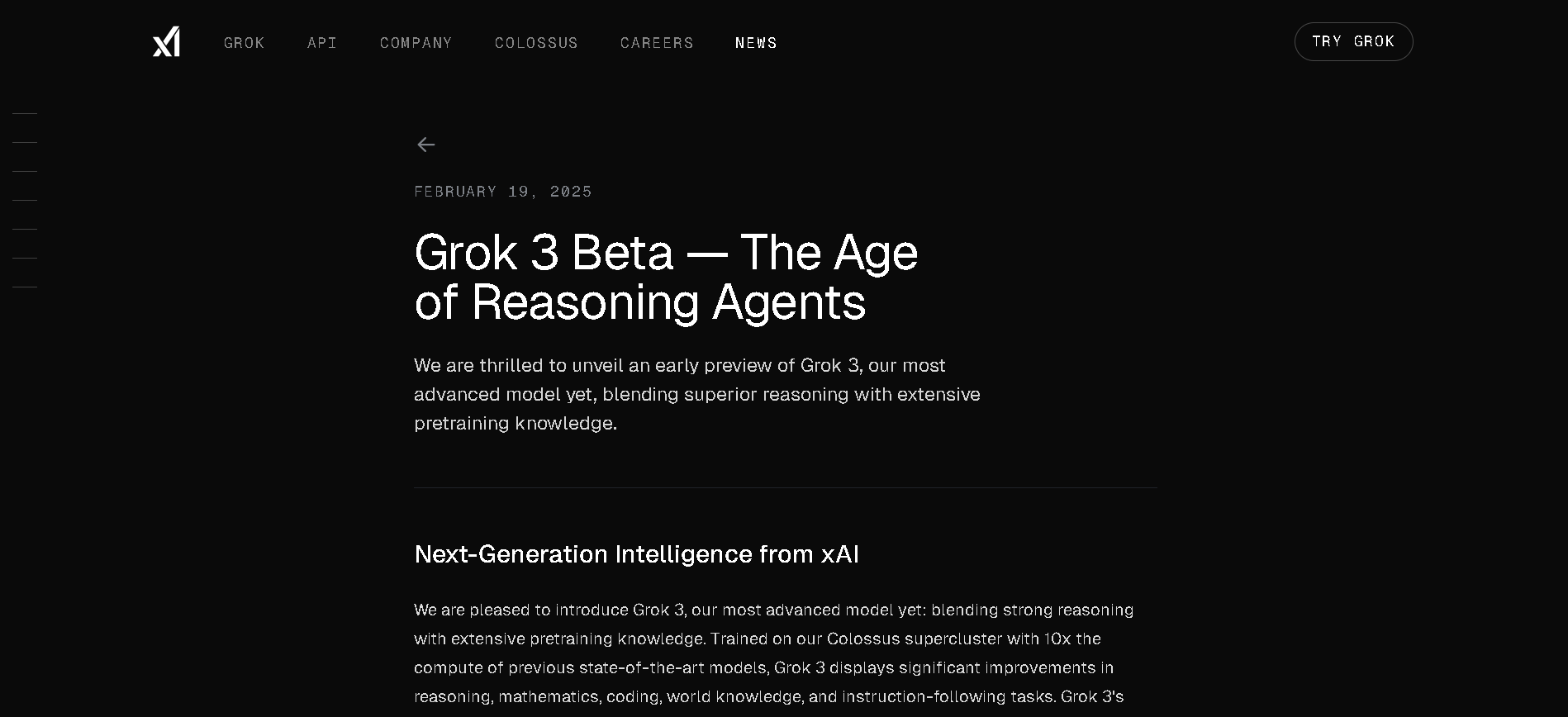
Grok 3 Mini is xAI’s compact, cost-efficient reasoning variant of the flagship Grok 3 model. Released alongside Grok 3 in February 2025, it offers many of the same advanced reasoning capabilities—like chain-of-thought “Think” mode and multimodal support—with lower compute and faster responses. It's ideal for logic-heavy tasks that don't require the depth of the full version.
Grok 3 Mini
Grok 3 Mini is xAI’s compact, cost-efficient reasoning variant of the flagship Grok 3 model. Released alongside Grok 3 in February 2025, it offers many of the same advanced reasoning capabilities—like chain-of-thought “Think” mode and multimodal support—with lower compute and faster responses. It's ideal for logic-heavy tasks that don't require the depth of the full version.
Grok 3 Mini
Grok 3 Mini is xAI’s compact, cost-efficient reasoning variant of the flagship Grok 3 model. Released alongside Grok 3 in February 2025, it offers many of the same advanced reasoning capabilities—like chain-of-thought “Think” mode and multimodal support—with lower compute and faster responses. It's ideal for logic-heavy tasks that don't require the depth of the full version.
grok-3-mini-latest
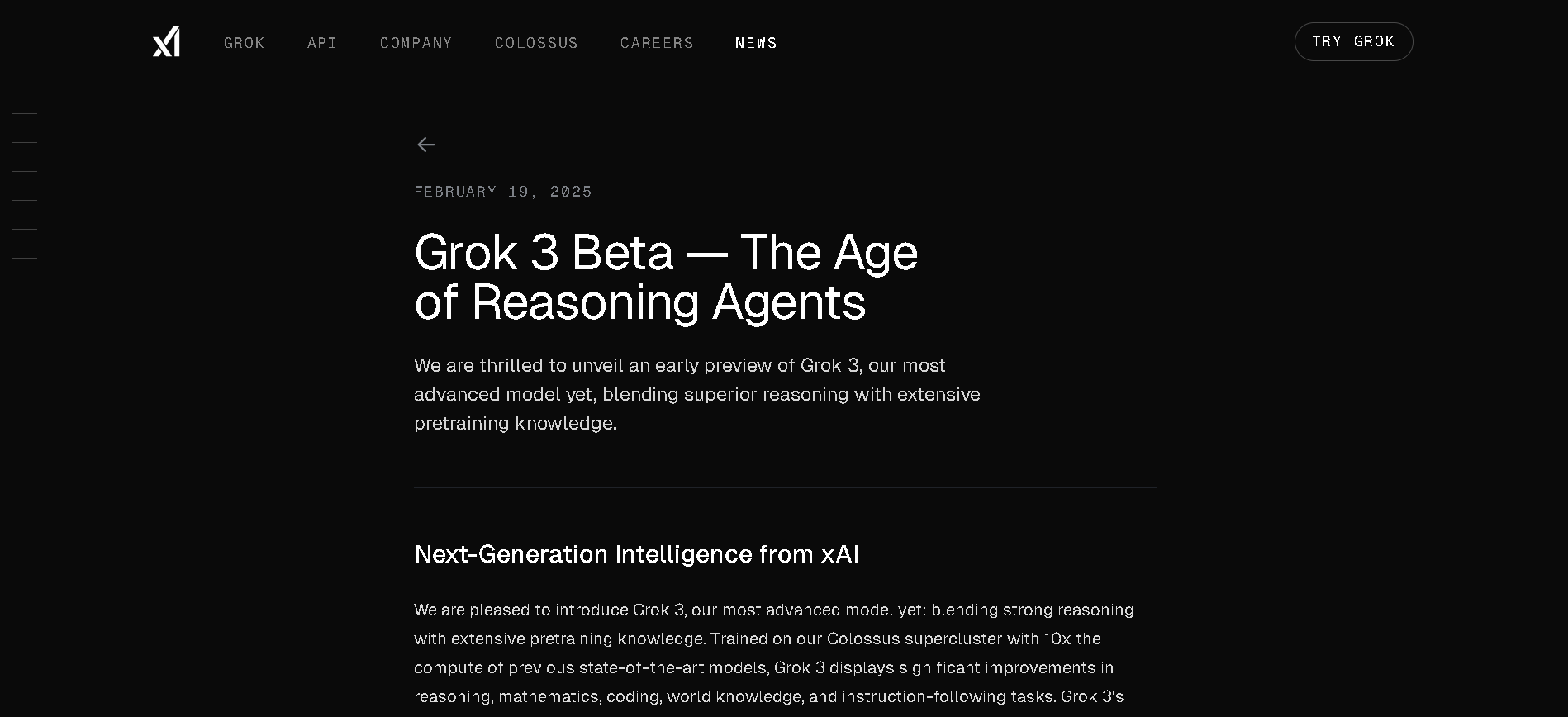
Grok 3 Mini is xAI’s compact, reasoning-focused variant of the Grok 3 series. Released in February 2025 alongside the flagship model, it's optimized for cost-effective, transparent chain-of-thought reasoning via "Think" mode, with full multimodal input and access to xAI’s Colossus-trained capabilities. The latest version supports live preview on Azure AI Foundry and GitHub Models—combining speed, affordability, and logic traversal in real-time workflows.
grok-3-mini-latest
Grok 3 Mini is xAI’s compact, reasoning-focused variant of the Grok 3 series. Released in February 2025 alongside the flagship model, it's optimized for cost-effective, transparent chain-of-thought reasoning via "Think" mode, with full multimodal input and access to xAI’s Colossus-trained capabilities. The latest version supports live preview on Azure AI Foundry and GitHub Models—combining speed, affordability, and logic traversal in real-time workflows.
grok-3-mini-latest
Grok 3 Mini is xAI’s compact, reasoning-focused variant of the Grok 3 series. Released in February 2025 alongside the flagship model, it's optimized for cost-effective, transparent chain-of-thought reasoning via "Think" mode, with full multimodal input and access to xAI’s Colossus-trained capabilities. The latest version supports live preview on Azure AI Foundry and GitHub Models—combining speed, affordability, and logic traversal in real-time workflows.
grok-3-mini-fast
Grok 3 Mini Fast is the low-latency, high-performance version of xAI’s Grok 3 Mini model. Released in beta around May 2025, it offers the same visible chain-of-thought reasoning as Grok 3 Mini but delivers responses significantly faster, powered by optimized infrastructure. It supports up to 131,072 tokens of context.
grok-3-mini-fast
Grok 3 Mini Fast is the low-latency, high-performance version of xAI’s Grok 3 Mini model. Released in beta around May 2025, it offers the same visible chain-of-thought reasoning as Grok 3 Mini but delivers responses significantly faster, powered by optimized infrastructure. It supports up to 131,072 tokens of context.
grok-3-mini-fast
Grok 3 Mini Fast is the low-latency, high-performance version of xAI’s Grok 3 Mini model. Released in beta around May 2025, it offers the same visible chain-of-thought reasoning as Grok 3 Mini but delivers responses significantly faster, powered by optimized infrastructure. It supports up to 131,072 tokens of context.
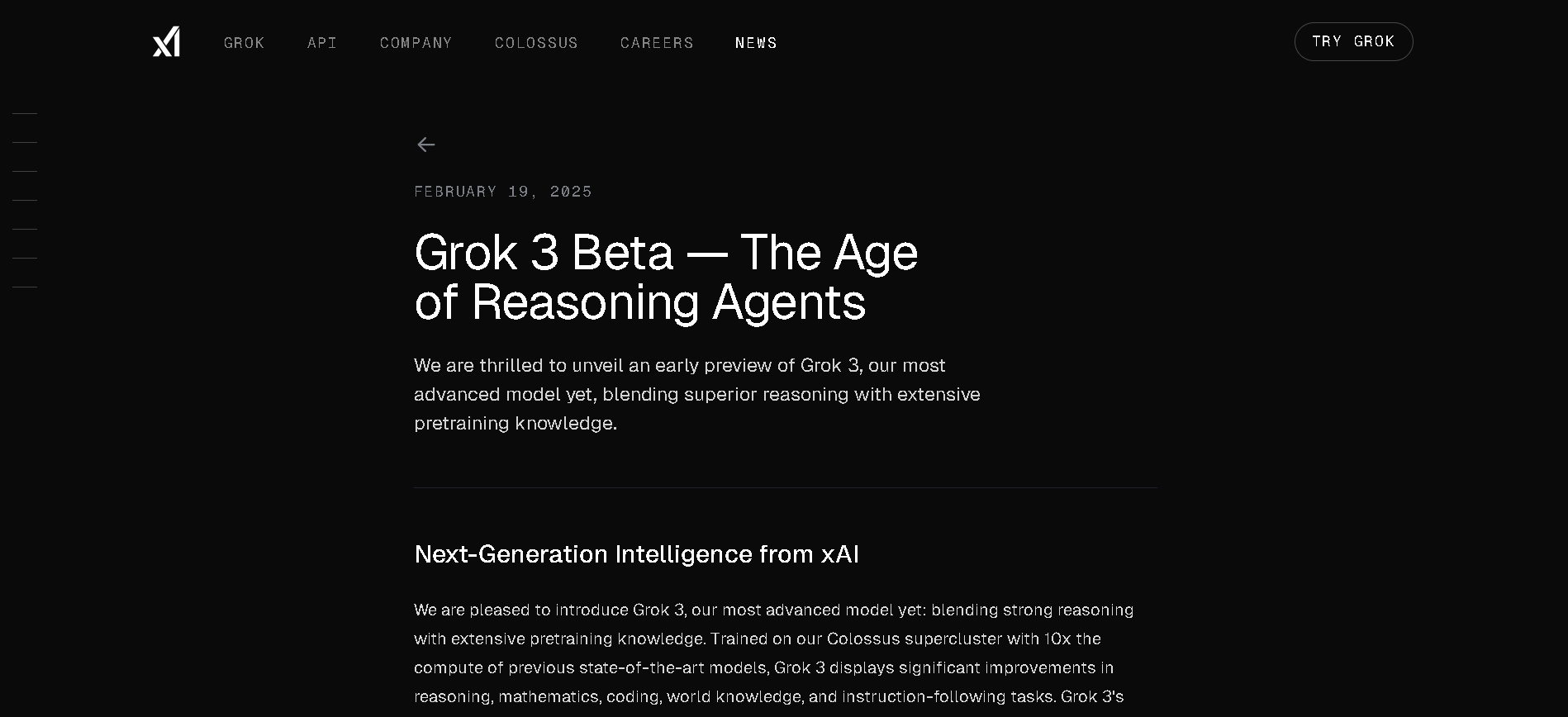
Grok 3 Mini Fast is xAI’s most recent, low-latency variant of the compact Grok 3 Mini model. It maintains full chain-of-thought “Think” reasoning and multimodal support while delivering faster response times. The model handles up to 131,072 tokens of context and is now widely accessible in beta via xAI API and select cloud platforms.
Grok 3 Mini Fast is xAI’s most recent, low-latency variant of the compact Grok 3 Mini model. It maintains full chain-of-thought “Think” reasoning and multimodal support while delivering faster response times. The model handles up to 131,072 tokens of context and is now widely accessible in beta via xAI API and select cloud platforms.
Grok 3 Mini Fast is xAI’s most recent, low-latency variant of the compact Grok 3 Mini model. It maintains full chain-of-thought “Think” reasoning and multimodal support while delivering faster response times. The model handles up to 131,072 tokens of context and is now widely accessible in beta via xAI API and select cloud platforms.
grok-2-latest
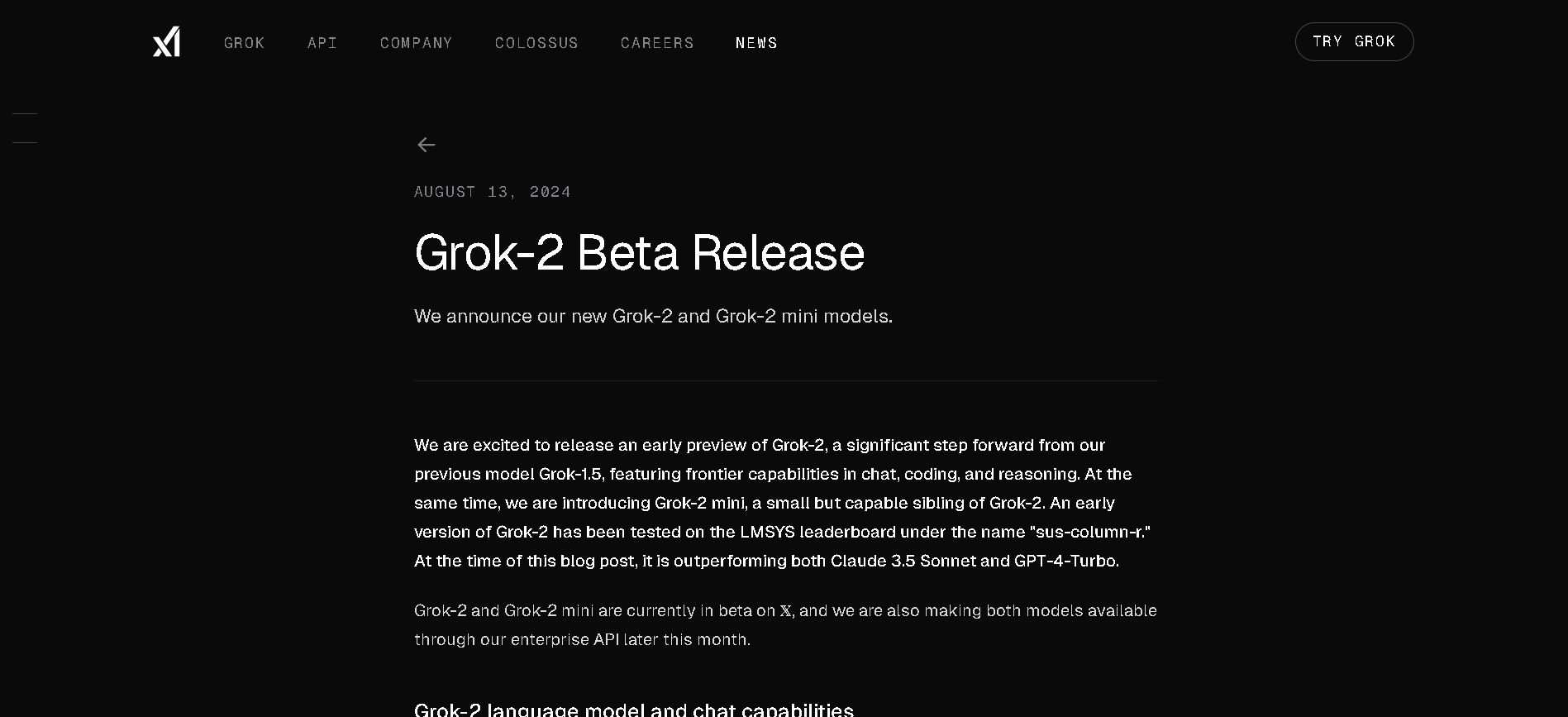
Grok 2 is xAI’s second-generation chatbot model, launched in August 2024 as a substantial upgrade over Grok 1.5. It delivers frontier-level performance in chat, coding, reasoning, vision tasks, and image generation via the FLUX.1 system. On leaderboards, it outscored Claude 3.5 Sonnet and GPT‑4 Turbo, with strong results in GPQA (56%), MMLU (87.5%), MATH (76.1%), HumanEval (88.4%), MathVista, and DocVQA benchmarks.
grok-2-latest
Grok 2 is xAI’s second-generation chatbot model, launched in August 2024 as a substantial upgrade over Grok 1.5. It delivers frontier-level performance in chat, coding, reasoning, vision tasks, and image generation via the FLUX.1 system. On leaderboards, it outscored Claude 3.5 Sonnet and GPT‑4 Turbo, with strong results in GPQA (56%), MMLU (87.5%), MATH (76.1%), HumanEval (88.4%), MathVista, and DocVQA benchmarks.
grok-2-latest
Grok 2 is xAI’s second-generation chatbot model, launched in August 2024 as a substantial upgrade over Grok 1.5. It delivers frontier-level performance in chat, coding, reasoning, vision tasks, and image generation via the FLUX.1 system. On leaderboards, it outscored Claude 3.5 Sonnet and GPT‑4 Turbo, with strong results in GPQA (56%), MMLU (87.5%), MATH (76.1%), HumanEval (88.4%), MathVista, and DocVQA benchmarks.

Easy Peasy AI
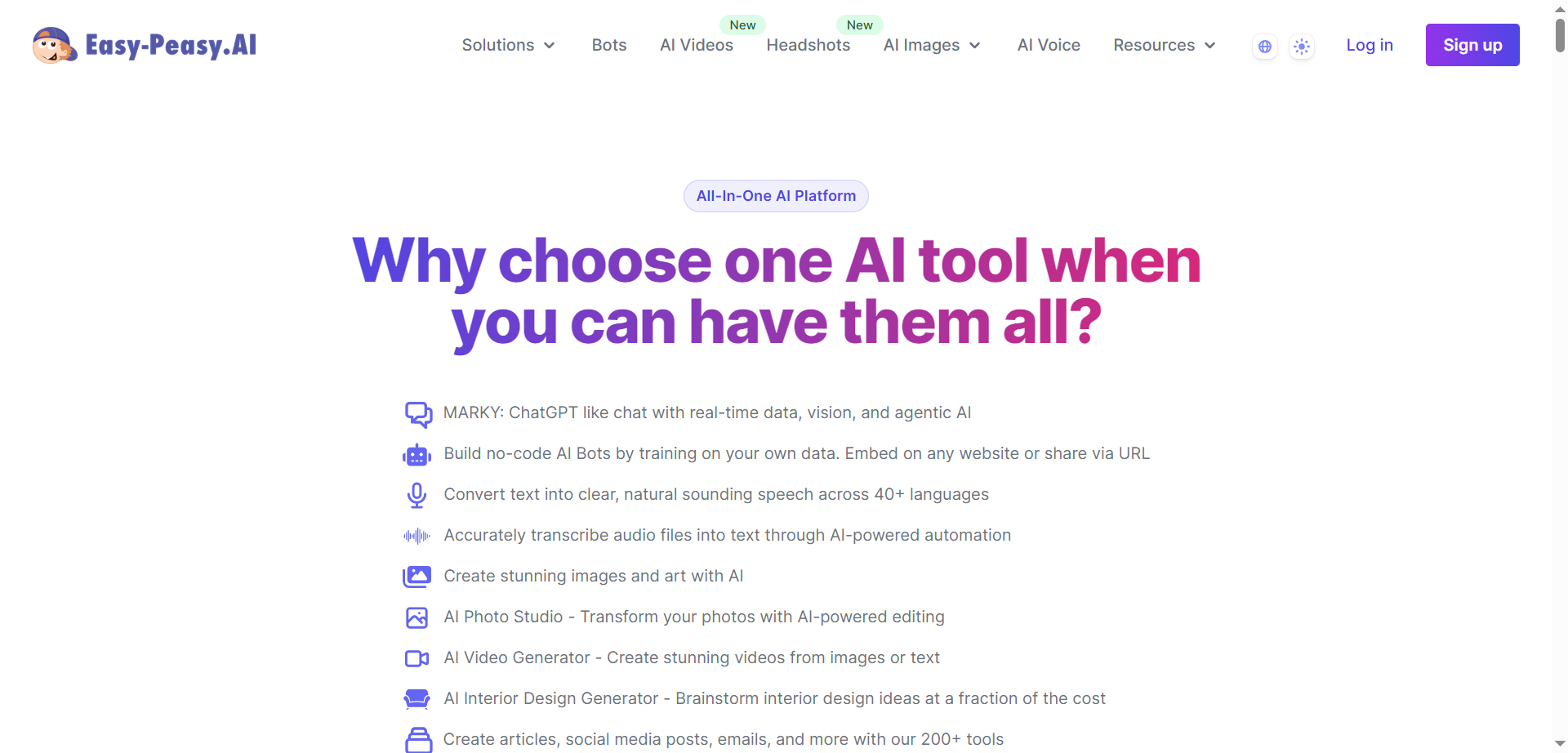
Easy-Peasy.AI is a comprehensive, all-in-one AI platform offering more than 200 content creation, automation, and productivity tools designed for marketers, creators, brands, and individuals. Built to enable anyone to leverage generative AI without technical know-how, Easy-Peasy.AI includes real-time chatbots, no-code bot builder, powerful text-to-speech and speech-to-text modules, AI image and video generation, and a library of templates for writing, marketing, and design. Its intuitive interface and diverse technology stack—GPT-4, Claude 3, Llama 3, Mixtral—make it possible to create, edit, and publish everything from emails and blog posts to social media captions, art, audio, and video with just a few clicks.
Easy Peasy AI
Easy-Peasy.AI is a comprehensive, all-in-one AI platform offering more than 200 content creation, automation, and productivity tools designed for marketers, creators, brands, and individuals. Built to enable anyone to leverage generative AI without technical know-how, Easy-Peasy.AI includes real-time chatbots, no-code bot builder, powerful text-to-speech and speech-to-text modules, AI image and video generation, and a library of templates for writing, marketing, and design. Its intuitive interface and diverse technology stack—GPT-4, Claude 3, Llama 3, Mixtral—make it possible to create, edit, and publish everything from emails and blog posts to social media captions, art, audio, and video with just a few clicks.
Easy Peasy AI
Easy-Peasy.AI is a comprehensive, all-in-one AI platform offering more than 200 content creation, automation, and productivity tools designed for marketers, creators, brands, and individuals. Built to enable anyone to leverage generative AI without technical know-how, Easy-Peasy.AI includes real-time chatbots, no-code bot builder, powerful text-to-speech and speech-to-text modules, AI image and video generation, and a library of templates for writing, marketing, and design. Its intuitive interface and diverse technology stack—GPT-4, Claude 3, Llama 3, Mixtral—make it possible to create, edit, and publish everything from emails and blog posts to social media captions, art, audio, and video with just a few clicks.

Grok 4
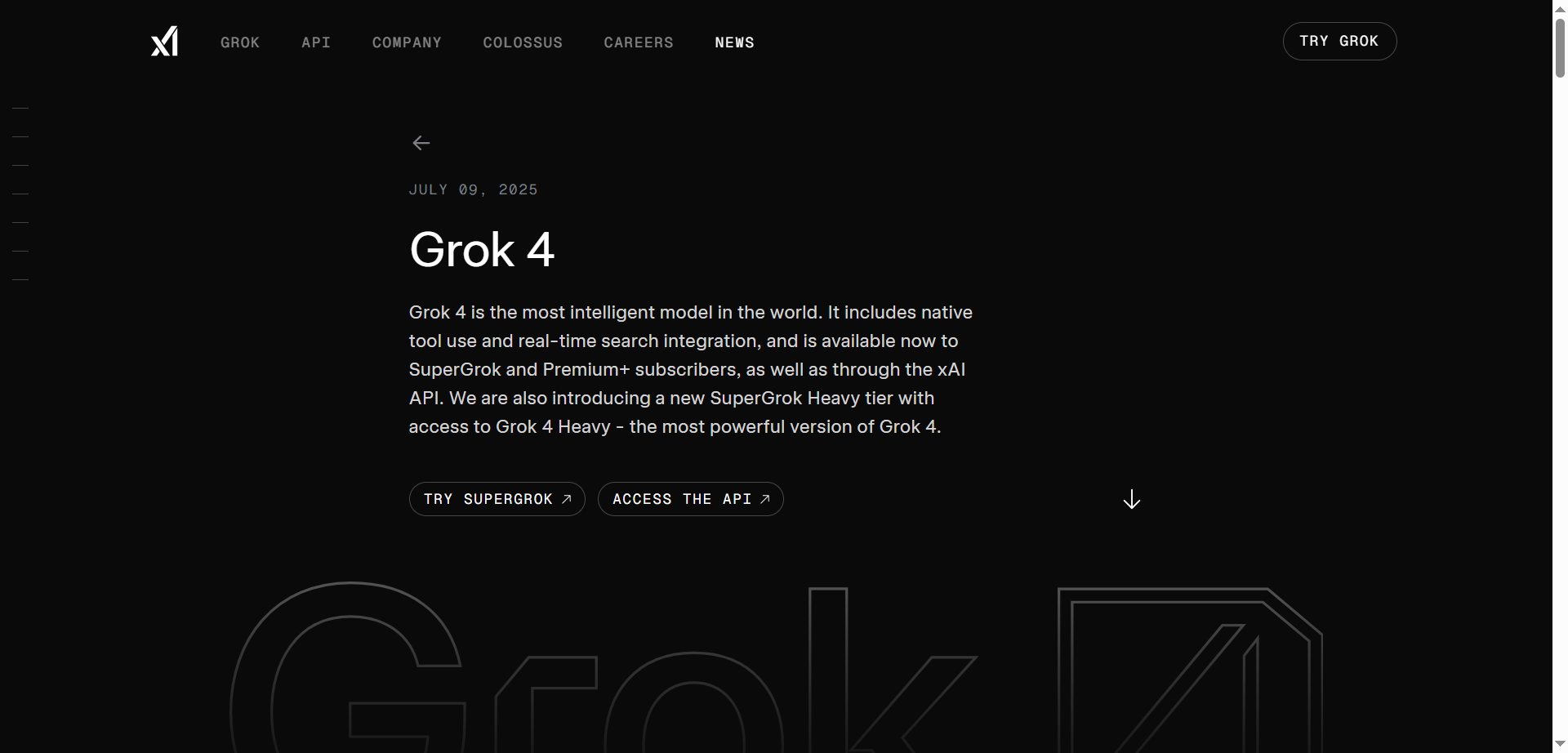
Grok 4 is the latest and most intelligent AI model developed by xAI, designed for expert-level reasoning and real-time knowledge integration. It combines large-scale reinforcement learning with native tool use, including code interpretation, web browsing, and advanced search capabilities, to provide highly accurate and up-to-date responses. Grok 4 excels across diverse domains such as math, coding, science, and complex reasoning, supporting multimodal inputs like text and vision. With its massive 256,000-token context window and advanced toolset, Grok 4 is built to push the boundaries of AI intelligence and practical utility for both developers and enterprises.
Grok 4
Grok 4 is the latest and most intelligent AI model developed by xAI, designed for expert-level reasoning and real-time knowledge integration. It combines large-scale reinforcement learning with native tool use, including code interpretation, web browsing, and advanced search capabilities, to provide highly accurate and up-to-date responses. Grok 4 excels across diverse domains such as math, coding, science, and complex reasoning, supporting multimodal inputs like text and vision. With its massive 256,000-token context window and advanced toolset, Grok 4 is built to push the boundaries of AI intelligence and practical utility for both developers and enterprises.
Grok 4
Grok 4 is the latest and most intelligent AI model developed by xAI, designed for expert-level reasoning and real-time knowledge integration. It combines large-scale reinforcement learning with native tool use, including code interpretation, web browsing, and advanced search capabilities, to provide highly accurate and up-to-date responses. Grok 4 excels across diverse domains such as math, coding, science, and complex reasoning, supporting multimodal inputs like text and vision. With its massive 256,000-token context window and advanced toolset, Grok 4 is built to push the boundaries of AI intelligence and practical utility for both developers and enterprises.

ChatGot IO
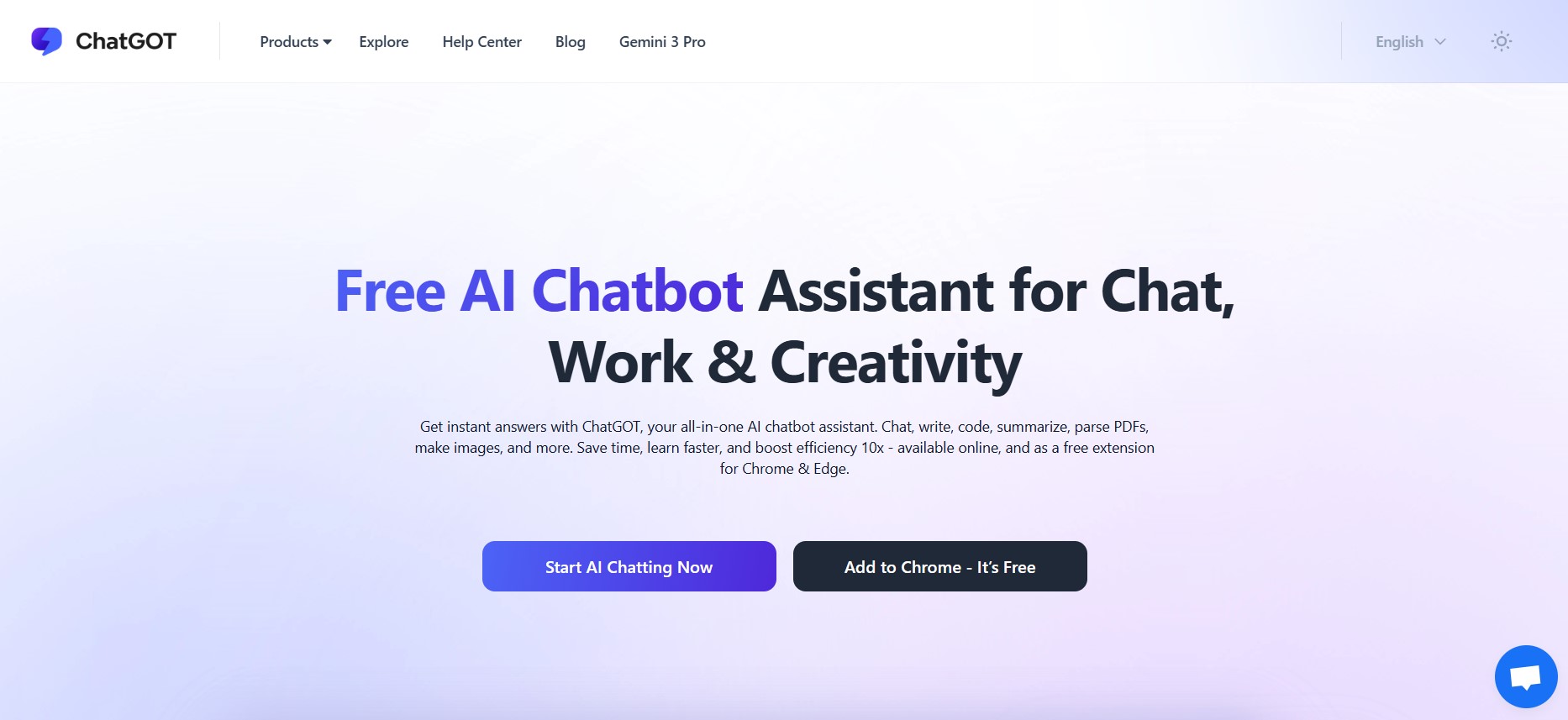
ChatGot.io is an AI-powered conversational platform that brings together multiple advanced language models in a single interface. It allows users to chat, generate content, analyze documents, write code, and create personalized AI assistants for productivity, learning, and creative tasks. By enabling users to switch between or combine different AI models, ChatGot.io delivers richer and more flexible responses than traditional single-model chatbots. Designed for individuals and teams, the platform simplifies access to AI-powered tools for writing, research, summarization, and everyday problem-solving.
ChatGot IO
ChatGot.io is an AI-powered conversational platform that brings together multiple advanced language models in a single interface. It allows users to chat, generate content, analyze documents, write code, and create personalized AI assistants for productivity, learning, and creative tasks. By enabling users to switch between or combine different AI models, ChatGot.io delivers richer and more flexible responses than traditional single-model chatbots. Designed for individuals and teams, the platform simplifies access to AI-powered tools for writing, research, summarization, and everyday problem-solving.
ChatGot IO
ChatGot.io is an AI-powered conversational platform that brings together multiple advanced language models in a single interface. It allows users to chat, generate content, analyze documents, write code, and create personalized AI assistants for productivity, learning, and creative tasks. By enabling users to switch between or combine different AI models, ChatGot.io delivers richer and more flexible responses than traditional single-model chatbots. Designed for individuals and teams, the platform simplifies access to AI-powered tools for writing, research, summarization, and everyday problem-solving.


GlobalGPT
GlobalGPT is an all-in-one AI platform that unifies leading models for writing, coding, research, image generation, and video creation—accessible through a single account and subscription. It brings together top models like GPT-5, GPT-4.1, GPT-4o, GPT-o3, Claude Opus 4.1, Claude Sonnet 4, Gemini 2.5 Pro, DeepSeek V3, Unikorn (MJ-like) V7, Flux, Ideogram, and Google Veo 3 so you can chat, draft content, analyze documents, generate images, and produce cinematic videos without switching tools. Designed for over 2 million users worldwide, GlobalGPT also includes advanced research agents powered by GPT-4o and perplexity for deep web analysis, PDF summarization, and market insights, all wrapped in a clean interface with flexible credit-based plans.
GlobalGPT
GlobalGPT is an all-in-one AI platform that unifies leading models for writing, coding, research, image generation, and video creation—accessible through a single account and subscription. It brings together top models like GPT-5, GPT-4.1, GPT-4o, GPT-o3, Claude Opus 4.1, Claude Sonnet 4, Gemini 2.5 Pro, DeepSeek V3, Unikorn (MJ-like) V7, Flux, Ideogram, and Google Veo 3 so you can chat, draft content, analyze documents, generate images, and produce cinematic videos without switching tools. Designed for over 2 million users worldwide, GlobalGPT also includes advanced research agents powered by GPT-4o and perplexity for deep web analysis, PDF summarization, and market insights, all wrapped in a clean interface with flexible credit-based plans.
GlobalGPT
GlobalGPT is an all-in-one AI platform that unifies leading models for writing, coding, research, image generation, and video creation—accessible through a single account and subscription. It brings together top models like GPT-5, GPT-4.1, GPT-4o, GPT-o3, Claude Opus 4.1, Claude Sonnet 4, Gemini 2.5 Pro, DeepSeek V3, Unikorn (MJ-like) V7, Flux, Ideogram, and Google Veo 3 so you can chat, draft content, analyze documents, generate images, and produce cinematic videos without switching tools. Designed for over 2 million users worldwide, GlobalGPT also includes advanced research agents powered by GPT-4o and perplexity for deep web analysis, PDF summarization, and market insights, all wrapped in a clean interface with flexible credit-based plans.
Editorial Note
This page was researched and written by the ATB Editorial Team. Our team researches each AI tool by reviewing its official website, testing features, exploring real use cases, and considering user feedback. Every page is fact-checked and regularly updated to ensure the information stays accurate, neutral, and useful for our readers.
If you have any suggestions or questions, email us at hello@aitoolbook.ai